Experienced Bed Bug Heat Solution for Effective Elimination
Specialized bed bug heat elimination proves itself as a highly potent technique for wiping out these resistant pests. By increasing temperatures to levels fatal for all developmental stages, this technique avoids the issues of chemical resistance. It is an environmentally conscious solution that needs minimal sessions for success. Learning about the process and its benefits can greatly shape pest management strategies. However, many false beliefs exist around this treatment. What are the facts behind these myths, and how can one ready oneself effectively?
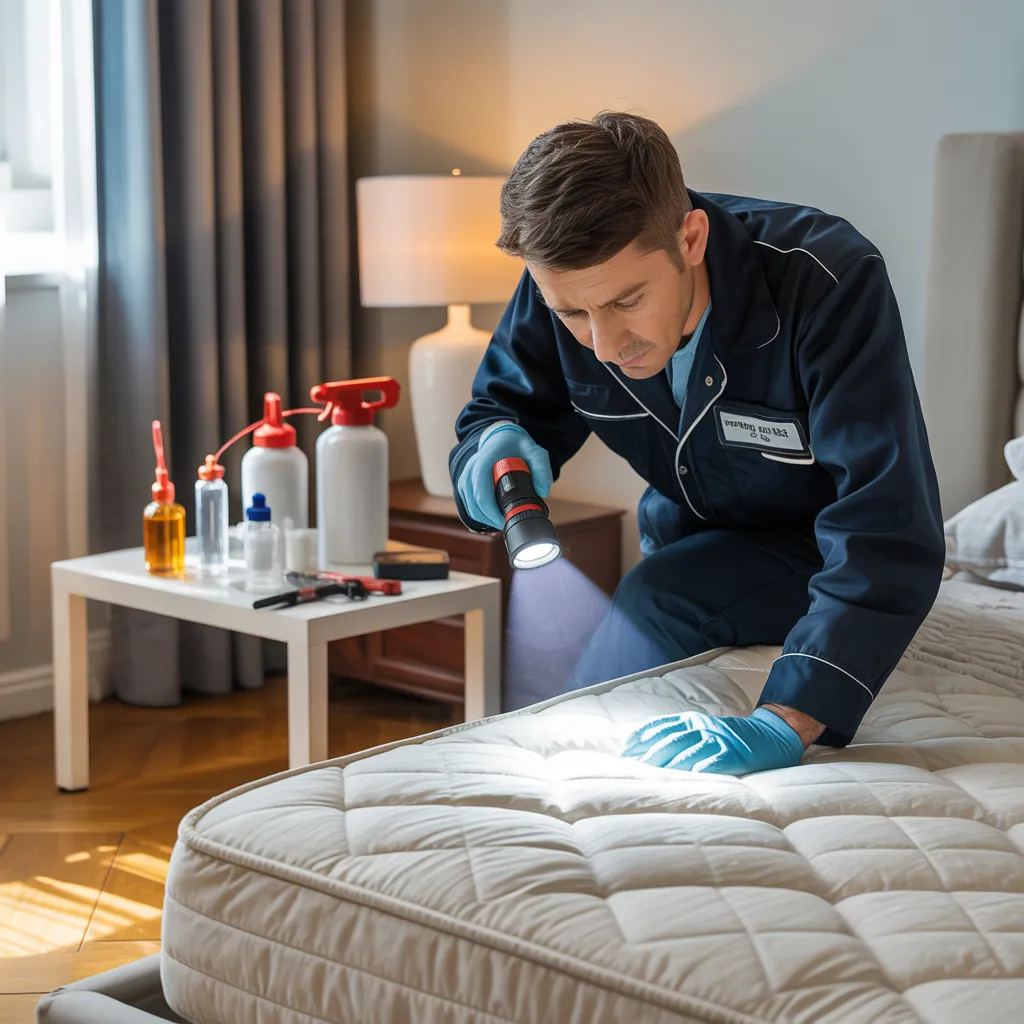
How to Destroy Bed Bugs Effectively Using Heat Treatment
To effectively eradicate bed bugs, heat treatment stands out as a powerful solution. This method includes increasing the heat of infested areas to levels lethal for bed bugs and their eggs. Unlike conventional pesticide treatments, heat permeates various materials, ensuring that even concealed insects are addressed. The process typically necessitates specialized equipment to copyright consistent high temperatures, usually around 120°F to 140°F, for a adequate timeframe to ensure complete eradication.
Heat treatment is not only efficient but also eco-friendly, as it minimizes the use of harmful chemicals. It can be used to a broad variety of items, including bedding, furniture, and clothing, making it versatile. Homeowners and pest control professionals often favor this method due to its efficacy in a single application, decreasing the need for multiple treatments. Overall, heat treatment stands out as a effective and reliable approach to combat bed bug infestations.
How Bed Bug Heat Treatment Functions?
Bed bug heat therapy requires elevating the temperature in infested areas to lethal concentrations for these pests. This method proves extremely effective, as it eliminates all developmental stages of bed bugs, including eggs, which are typically impervious to conventional pesticide solutions. Understanding the methodology and its effectiveness is indispensable for anyone wanting a complete solution to a bed bug crisis.
Heat Therapy Operation Presented
A reliable method to removing bed bugs requires a meticulous heat treatment procedure that addresses these pests at all life stages. Initially, the infested area is extensively inspected to pinpoint hotspots and potential hiding places. Specialized equipment is then utilized to elevate the temperature of the environment to a lethal range, typically between 120°F and 140°F. This temperature is maintained for several hours, ensuring that both visible bugs and hidden eggs are subjected to the heat. Monitoring devices observe temperature fluctuations, ensuring uniform heat distribution throughout the treated space. After treatment, a follow-up inspection may be conducted to verify the absence of bed bugs, providing assurance that the process has been effective in eradicating these resilient pests.
Success In Fighting Bed Bugs
Applying heat treatment effectively disrupts the life cycle of bed bugs, attacking them at every phase of development. This approach raises the temperature in infested areas to a deadly level, typically between 120°F and 140°F. At these temperatures, bed bugs, including eggs, nymphs, and adults, cannot survive. The heat penetrates various materials, guaranteeing that hidden bugs are also eliminated. Unlike chemical treatments, heat treatment leaves no residue and reduces the risk of resistance, as bed bugs cannot adapt to extreme temperatures. Additionally, the process is swift, often requiring only a few hours to achieve complete eradication. Consequently, heat treatment is recognized as a highly effective approach for thorough bed bug elimination.
Benefits of Choosing Heat Treatment Over Chemical-based Alternatives
Opting for heat treatment in bed bug extermination offers various advantages when compared to chemical methods, positioning it as a popular option for many homeowners. A major benefit is its capacity to kill bed bugs across all developmental cycles, including eggs, nymphs, and adults, without leaving any trace chemicals. This comprehensive strategy confirms that no leftover pests can reproduce.
In addition, heat treatment is green, as it avoids the use of corrosive chemicals that may pose health risks to humans and pets. Homeowners often appreciate the rapid results, as heat method typically requires only a single session compared to multiple chemical applications.
Additionally, it minimizes the risk of chemical resistance, a mounting concern with standard pesticides. The lack of chemical odors throughout and following treatment improves indoor air quality. Overall, heat treatment not only effectively eradicates bed bugs but also provides a safer, more productive solution for pest management.
What to Get Ready For With Your Heat Process?
After choosing heat treatment for bed bug elimination, homeowners can expect a comprehensive and methodical process. First, a thorough examination will be performed to locate infested areas and evaluate the extent of the issue. This step is crucial for tailoring the treatment successfully.
After the assessment is complete, the treatment team will prepare the home by making sure all areas are reachable and that sensitive items are appropriately addressed. The heating equipment will then be installed to increase the interior heat to levels fatal to bed bugs.
During the process, temperatures will typically exceed 120°F, kept for a specific duration to ensure success. Homeowners should expect an rise in temperature throughout the home, affecting all affected locations.
Finally, a follow-up examination is often scheduled to verify the elimination of bed bugs, enabling homeowners to regain peace of mind in their homes.
readying Your Home for Heat Treatment
Getting a home ready for heat treatment involves several critical steps to guarantee a successful eradication of bed bugs. Initially, residents should remove all items from the treatment area, such as clothing, bedding, and personal belongings. This avoids damage and enables heat to penetrate thoroughly. Next, vacuuming carpets and upholstery helps eliminating any apparent bugs or eggs. It is also recommended to seal vacuum bags securely to trap any pests.
Next, companion animals full information and vegetation should be moved to a protected space, as high temperatures can injure them. Homeowners must also make confident that outlets and electrical devices are unobstructed to facilitate even heat distribution. Finally, it is vital to advise the pest control technician of any particular worries or zones with pest activity. By following these steps, homeowners can boost the efficiency of the heat treatment process, assuring a thorough elimination of bed bugs.
Misconceptions About Heat Treatment You Shouldn't Believe
Numerous fallacies exist around heat treatment for bed bugs, particularly with respect to its protection and effectiveness. Some believe that this method presents significant risks, while others expect immediate effects. Learning these false beliefs is essential for making informed decisions about pest control.
Heat Treatment Poses Health Concerns
Safety worries surrounding heat treatment for bed bugs often stem from misconceptions rather than factual evidence. Many think that high temperatures used in heat treatment can harm property or pose health risks. However, professional pest control services are trained to track temperatures carefully, ensuring that they remain within safe limits for both belongings and human health. Additionally, heat treatment is generally regarded as environmentally friendly, as it eliminates the need for chemical pesticides. While improper application may lead to issues, reputable companies utilize advanced equipment and techniques to mitigate risks. Ultimately, when performed by experts, heat treatment is a safe and effective method for eradicating bed bugs without the long-term concerns associated with chemical treatments.
Quick Output Guaranteed
Heat treatment for bed bugs is often clouded with the misconception that it guarantees instant results. In reality, while this method is very successful, the procedure does not eradicate all bed bugs right away. Factors such as the intensity of the outbreak, the completeness of the application, and the particular conditions of the environment can affect the outcome. For example, some bed bugs may remain in hidden areas, requiring additional sessions to ensure total eradication. Additionally, people may mistakenly believe that heat treatment by itself suffices without addressing potential reinfestation sources. Grasping these nuances is crucial for effective pest management. Consequently, while heat treatment is a powerful tool, patience and extensive strategies are necessary for achieving long-term results.
How to ensure Your Home Remains Bed Bug-Free After Treatment
While successful thermal treatment can eliminate bed bugs, keeping a bed bug-free home requires continuous monitoring and proactive measures. Frequent checks of bedrooms, including mattresses and box springs, are essential to detect any signs of re-infestation promptly. Homeowners should also declutter their home environments, as clutter provides hiding spots for bed bugs.
Cleaning and drying bedding and clothing on high heat at least once a week can help get rid of any potential eggs or bugs. Making use of protective covers for mattresses and pillows establishes an added barrier against new infestations.
Regular vacuuming, especially in spots inhabited by animals and visitors, can help eliminate any rogue bugs. It is also wise to exercise caution when acquiring secondhand goods and apparel, carefully checking items before bringing them inside. By employing these methods, households can substantially minimize the likelihood of a bed bug outbreak.

Often Asked Questions
How long Does thermal treatment Take to finish?
Heat treatment typically requires between six to eight hours to complete, influenced by the extent of pest presence and the size of the area undergoing treatment. Post-treatment, it's suggested to wait several hours before accessing the space.
Can I Remain Living in My Home During Therapy?
During heat treatment, remaining indoors is typically not advised. High temperatures can pose health risks, and the treatment requires a thorough process, requiring residents to vacate until it is deemed safe to return.
What Risks Might Animals Experience During Heat Treatment?
Certainly, risks to animals occur during heat treatment. High heat can prove injurious or possibly lethal. It's necessary to move animals away from the area before the service and ensure they stay elsewhere until the area reaches room temperature.
What Happens if Bed Bugs Survive the Heat Therapy?
If bed bugs survive heat treatment, they may reproduce, leading to a comeback of the infestation. This situation requires further intervention, as surviving individuals often build immunity to treatments, hindering future eradication efforts.
What Is the Average Cost of Expert Heat Treatment?
Specialized thermal elimination for bed bugs typically ranges between $300 and $1,500, contingent on the magnitude of the infestation and the size of the property. Costs might differ based on geographical location and service provider.